
Hayakuchi Kotoba (早口言葉): Japanese Tongue Twisters for Pronunciation Practice
If you want to improve your Japanese pronunciation in a fun way that doesn’t involve a textbook or memorization, you’re in the right place!
Japanese tongue twisters, known as hayakuchi kotoba (早口言葉), are a fun and effective way to practice Japanese pronunciation, rhythm, and mora timing. In this article, we’ll look at several famous Japanese tongue twisters and how they can help improve speaking clarity and pronunciation confidence.
Let’s focus on hayakuchi kotoba (早口言葉) - or Japanese tongue twisters - as a way for you to improve your overall pronunciation in a fun way. First, we’ll look at why they’re useful, how to practice, and then we’ll look at 4 example hayakuchi kotoba that every native Japanese speaker knows.
Why Japanese Tongue Twisters Are Useful
Tongue twisters are really good for pronunciation practice, rhythem, and articulation because they’re designed to be difficult. They’re full of traps so you need to focus more than usual speech to say them correctly.
How to Practice Hayakuchi Kotoba
When you’re practicing with tongue twisters, start slowly and work out the individual sounds that are challenging. As you start to feel more comfortable, speed up your speech. But no matter what speed you’re saying them in, don’t forget to pay attention to each sound (articulation) you’re making and the overall rhythm (mora timing) of your speech. Keep a good rhythm because that’s essential in Japanese where we use moras, and not syllables.
If you’re not sure what a mora is, no problem!
A mora is kind of like a timed syllable. It’s not exactly the same, but it’s what you need to know for now. Apart from sounds like kya or myu or pyo, which are called yoon, usually one kana is one mora.
Japanese rhythm is based on mora-timing rather than English-style stress patterns. Paying attention to moras while practicing tongue twisters can help learners develop more natural Japanese rhythm and pronunciation.
Shorter hayakuchi kotoba (早口言葉) can be practiced in sets of 3 to really test yourself!
And of course, feel free to turn it into a game with friends and classmates.
4 Famous Japanese Tongue Twisters
Let’s look at 4 hayakuchi kotoba (早口言葉) - I’ve tried to order them from easiest to hardest, but let me know if you agree with my ordering!
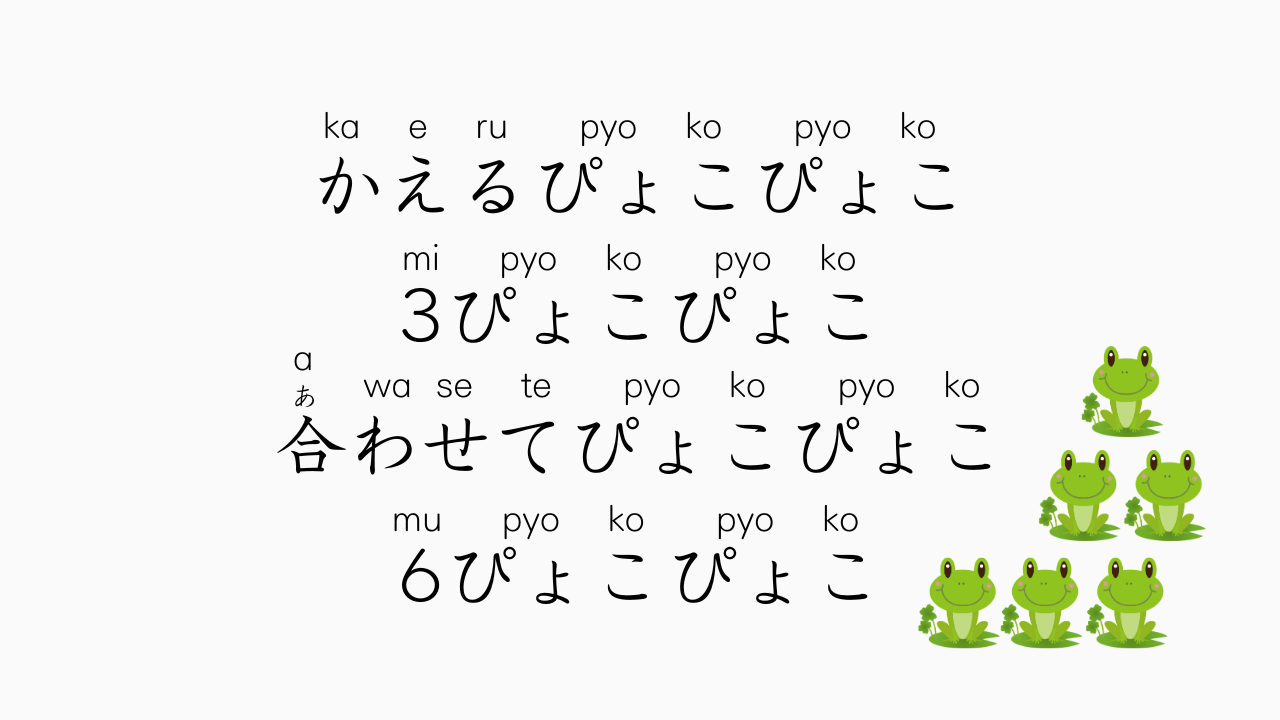
1. Kaeru Pyoko Pyoko (かえるぴょこぴょこ)
The first one is about jumping frogs - frogs jump, jumping 3 times, together they’re jumping, jumping 6 times
Play the video and practice along with me - slowly the first time, then faster a second time. If you need to pause the video as we’re going through it, don’t worry!
As we go through this one, make sure that pyo is one beat.
Let’s try the second hayakuchi kotoba.
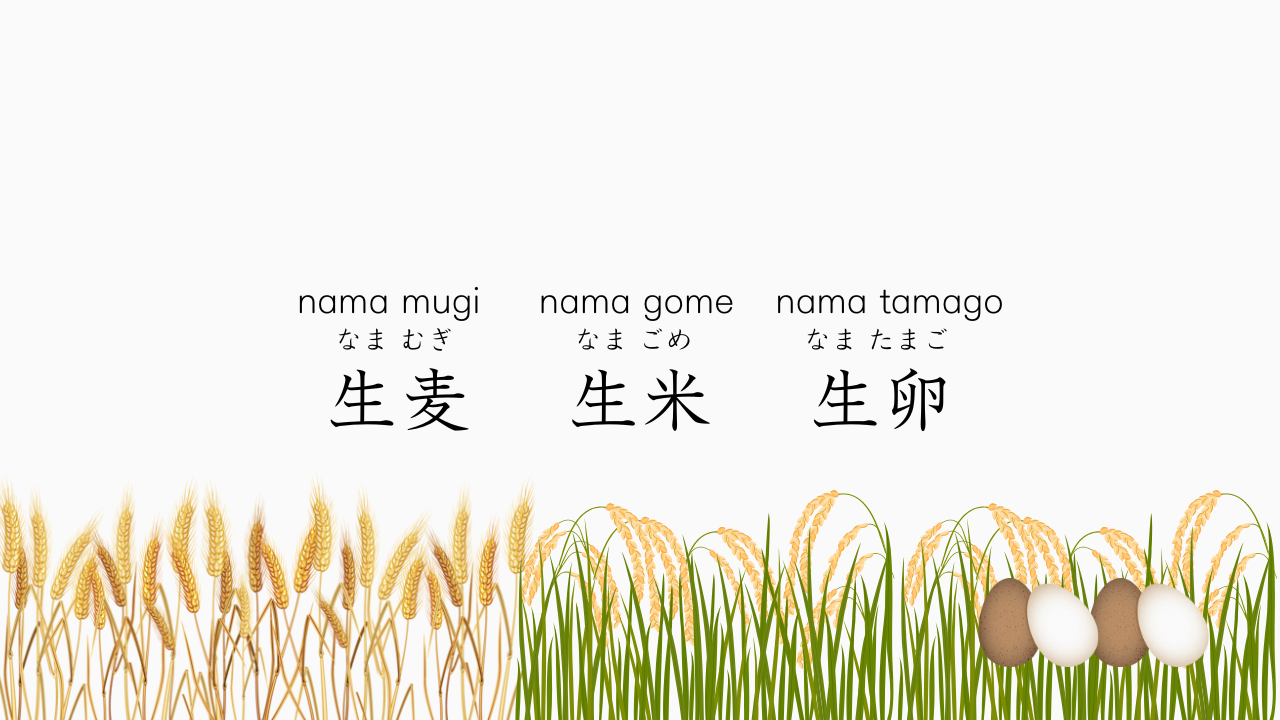
2. Namamugi, Namagome, Namatamago (生麦 生米 生卵)
It’s just a simple list - raw wheat, raw rice, raw eggs. For this one, focus on the ma, mu, gi, and go sounds.
We’ll go through this one twice too, once slower, then faster.
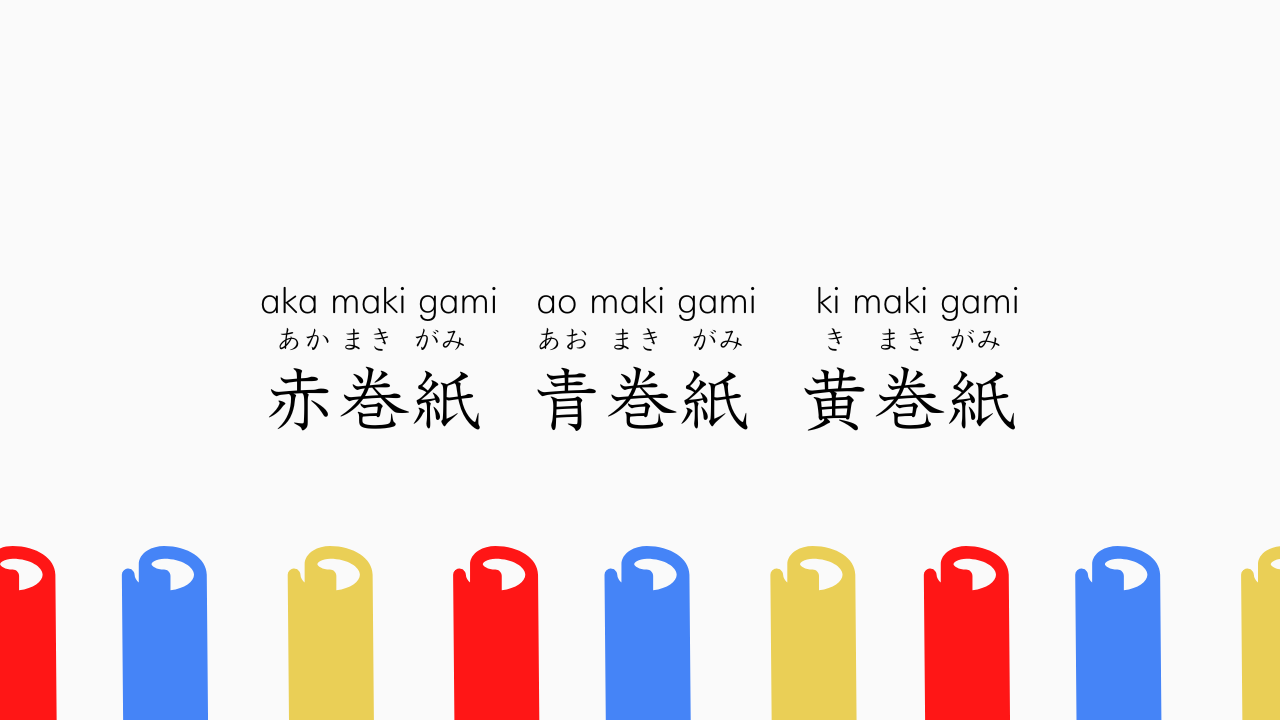
3. Aka Makigami, Ao Makigami, Ki Makigami (赤巻紙 青巻紙 黄巻紙)
The meaning of this next one is simple, like the previous one - red wrapping paper, blue wrapping paper, yellow wrapping paper.
Between the second and third one, which have you found more challenging so far? Maybe they’re about the same?
Now for the final one - this is one I really struggle with, so I’m looking forward to your thoughts!
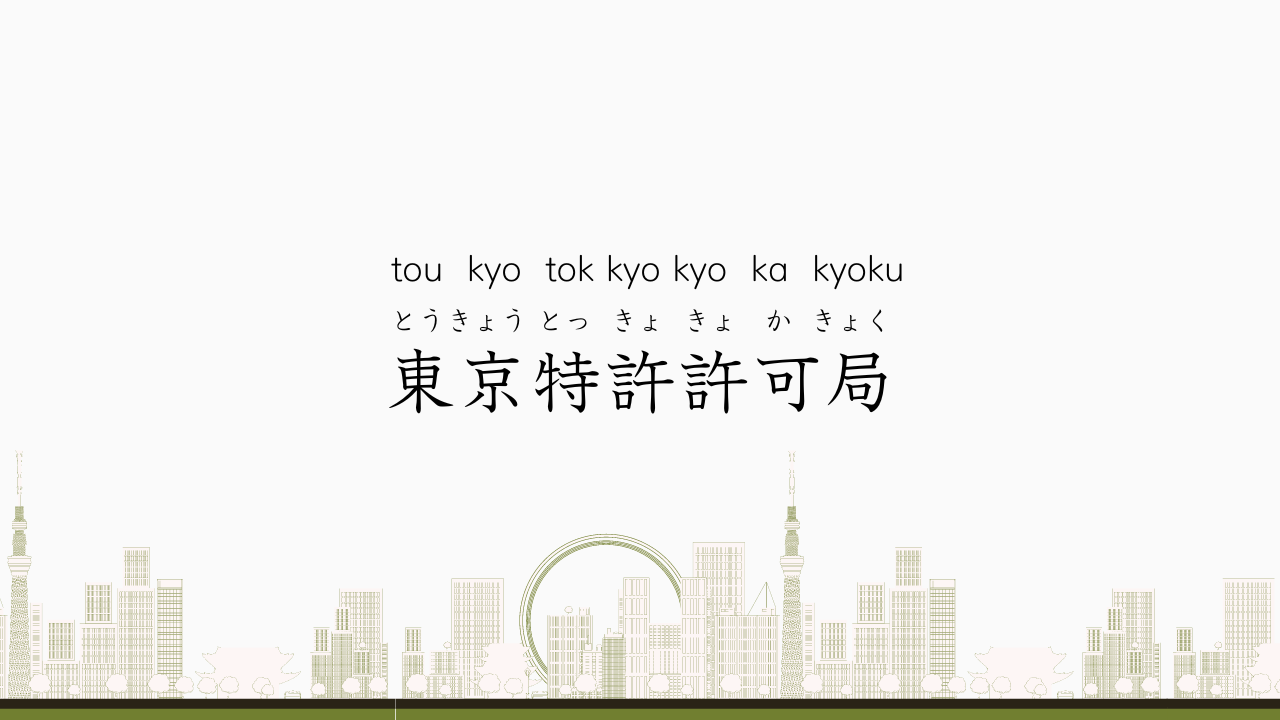
4. Tokyo Tokkyo Kyoka Kyoku (東京特許許可局)
The meaning for this one is “Tokyo Patent Approval Office”. If you’re curious, it’s not a real place. The sounds yo want to pay attention to are the long “o” in Tokyo, the “kyo” sounds that are two kana but one bet, and the small tsu sound, which is also one beat.
Fast Practice!
Now that we’ve gone through all 4 of them together, let’s see how fast we can say them. If you need to watch the earlier part of the video again before moving on, that’s totally fine. Review and practice as many times as you like!
Follow along with the video if you’d like!
かえるぴょこぴょこ 3ぴょこぴょこ (Kaeru pyoko pyoko, mi pyoko pyoko)
合わせてぴょこぴょこ 6ぴょこぴょこ (Awasete pyoko pyoko, mu pyoko pyoko)
生麦 生米 生卵 (Namamugi, namagome, namatamago)
赤巻紙 青巻紙 黄巻紙 (Aka makigami, ao makigami, ki makigami)
東京特許許可局 (tōkyō tokkyo kyoka kyoku)
How was that?
Are you feeling pretty tongue tied?
Extra Tongue Twisters to Practice
There are so many more hayakuchi kotoba (早口言葉) that you can use to practice and improve your Japanese pronunciation, including some that are also good for practicing pitch accent, but we’ll leave those for another day. For now, I’ll leave two more that you can practice on your own.
When you do practice them, don’t forget to first identify the individual sounds you need to focus on, start slow, then speed up as you get more confident!
1) 隣の客はよく柿食う客だ(となりのきゃくはよくかきくうきゃくだ/Tonari no kyaku wa yoku kaki kū kyaku da) - The customer next to me eats a lot of persimmons
2) 赤パジャマ 黄パジャマ 茶パジャマ(あかパジャマきパジャマちゃパジャマ/Aka pajama, ki pajama, cha pajama) - Red pajamas, yellow pajamas, brown pajamas
Thank you for joining me today in practicing some well-known hayakuchi kotoba (早口言葉).
Final Thoughts
Hayakuchi kotoba (早口言葉) can be a fun and effective way to improve Japanese pronunciation, rhythm, and speaking confidence. By practicing slowly, paying attention to mora timing, and gradually increasing speed, learners can train their ears and mouths to produce Japanese sounds more naturally.
If you’d like more support improving your Japanese pronunciation and pitch accent, explore the free resources below or check out Japanese Phonetics 101.
Please also consider subscribing to the YouTube channel for more videos that will help you improve your pronunciation and pitch accent.
Frequently Asked Questions About Japanese Tongue Twisters
-
Hayakuchi kotoba (早口言葉 ) are Japanese tongue twisters. They are short phrases or sentences designed to be difficult to pronounce quickly because of repeated or similar sounds. Native Japanese speakers often use them for fun, but they can also be very useful pronunciation practice for Japanese learners.
-
Yes — tongue twisters can be a fun and effective way to practice Japanese pronunciation, rhythm, and enunciation. Because they contain challenging sound combinations, they encourage learners to focus more carefully on individual sounds, timing, and speaking clarity. They can also help learners become more comfortable producing Japanese sounds at natural speaking speeds.
-
A mora is a rhythmic timing unit in Japanese. Although it is similar to a syllable, it is not exactly the same. In Japanese, most kana count as one mora, and each mora is pronounced with roughly equal timing. Sounds like きゃ (kya) count as one mora, while the small っ and long vowels also count as their own mora. Mora timing is an important part of natural Japanese pronunciation and rhythm.
-
Japanese rhythm is important because Japanese is a mora-timed language rather than a stress-timed language like English. Native Japanese speakers generally give each mora a relatively even amount of timing, which creates the characteristic rhythm of spoken Japanese. Paying attention to rhythm can help learners sound more natural and improve both pronunciation and listening comprehension.
-
Some Japanese tongue twisters can be very challenging, even for native speakers. They often contain repeated sounds, similar consonants, long vowels, yōon sounds like きゃ or ぴょ, and small っ sounds that require careful timing and pronunciation. Starting slowly and gradually increasing speed is usually the best approach.
-
There are many ways to practice Japanese pronunciation at home, including shadowing, listening practice, repeating after native speakers, and practicing tongue twisters like 早口言葉 (hayakuchi kotoba). When practicing, it’s important to focus not only on individual sounds, but also on rhythm, mora timing, pitch accent, and speaking clarity. Recording yourself and comparing your pronunciation to native audio can also be very helpful.
